July 15, 2026
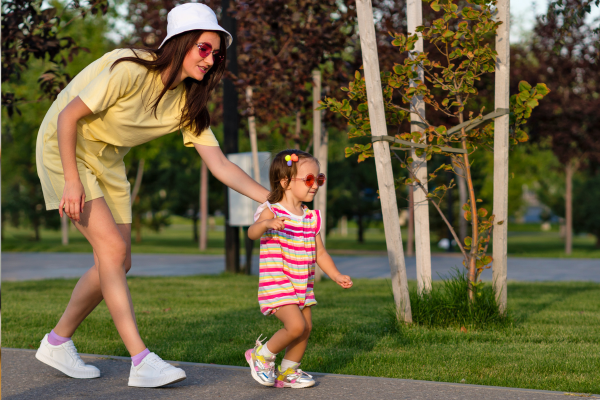
Summer can bring a welcome break from school routines, but many families still worry about children falling behind. The good news is that learning does not have to look like homework to be meaningful. Everyday summer moments - reading together, counting snacks, telling stories, helping with errands, or talking during a walk - can all support language, problem-solving, curiosity, and connection.
A few practical tips worth sharing in the visit:
- Read what works. A bedtime book, a library trip, or even re-reading the same favorite story helps build vocabulary and attention.
- Count what's already there. Steps, crackers, playground turns, red cars, or pieces of fruit can become simple math practice.
- Ask open-ended questions. "What do you think will happen next?" or "How did you figure that out?" encourages critical thinking.
- Let children help. Sorting laundry, packing a bag, choosing fruit, or setting the table builds independence and problem-solving.
- Follow their lead in play. When caregivers join a child's play and add words to what they're doing, children get to practice language, imaginations, and connection.
The goal is not to recreate school at home. It's to help families see that playful, connected moments can keep children curious, confident, and learning all summer long.
